Remote patient monitoring has exploded into a $50 billion industry growing at 22% annually—but what’s driving hospitals to adopt these devices so rapidly? The answer involves surprising clinical outcomes and a major shift in how Medicare pays for healthcare.
Key Takeaways:
- The remote patient monitoring (RPM) market is experiencing explosive growth at 22.4% annually, driven by AI-powered devices and wearable technology transforming patient care
- COVID-19 accelerated telehealth adoption by 38 times pre-pandemic levels, shifting RPM from convenience to standard healthcare practice
- Clinical outcomes show RPM reduces hospital readmissions through early detection and improves chronic disease management with significant blood pressure reductions
- Value-based care models and expanded CMS reimbursement are fueling widespread RPM adoption across healthcare organizations
- Healthcare administrators must adopt RPM innovations to remain competitive in today’s rapidly evolving digital health landscape
Remote patient monitoring has transformed from a niche healthcare solution into a cornerstone of modern medical practice. This dramatic shift reflects both technological advancement and an urgent need for more efficient, accessible care delivery models that can serve patients wherever they are.
RPM Market Explodes with 22% Annual Growth
The numbers tell a compelling story of an industry in rapid expansion. The Global Remote Patient Monitoring Market was valued at US$ 50.2 billion in 2023 and is projected to grow at a compound annual growth rate (CAGR) of 22.4%, reaching US$ 251.0 billion by 2031. This unprecedented growth reflects healthcare’s fundamental shift toward proactive, data-driven care models that prioritize prevention over reactive treatment approaches.
Healthcare organizations are discovering that RPM technologies offer immediate returns on investment through reduced hospital readmissions, improved patient satisfaction scores, and more efficient resource allocation. The market expansion also signals growing confidence from both providers and patients in digital health solutions that deliver measurable clinical outcomes.
Industry experts at TelehealthWatch note that this growth trajectory represents more than market opportunity—it reflects healthcare’s evolution toward sustainable, scalable care delivery models that can meet rising patient demand while controlling costs.
AI and Wearable Technology Transform Patient Care
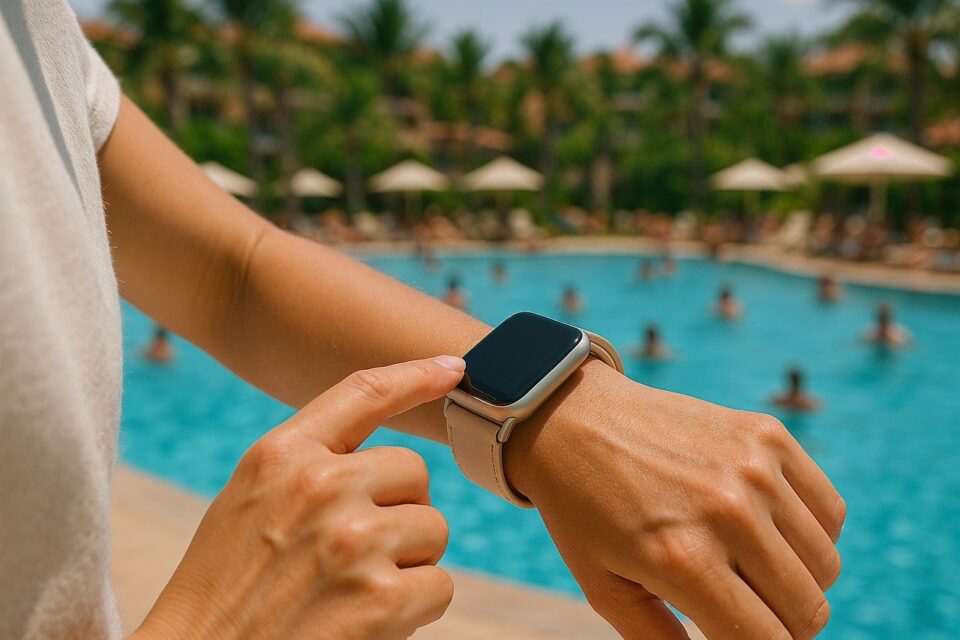
Modern RPM devices represent a quantum leap beyond simple monitoring tools. Today’s smart sensors enable continuous vital sign tracking, capturing everything from heart rhythms and blood pressure to glucose levels and respiratory patterns in real-time. These devices seamlessly integrate into patients’ daily routines while providing clinicians with unprecedented visibility into health status between appointments.
Smart Sensors Enable Continuous Vital Sign Monitoring
The latest generation of RPM devices features miniaturized sensors that patients barely notice wearing. These smart devices utilize advanced connectivity protocols including 5G and Bluetooth Low Energy to transmit data reliably from diverse locations. Patients can maintain normal activities while their devices continuously collect vital health metrics, creating detailed health profiles that were previously impossible to capture.
Machine Learning Predicts Health Events Before They Happen
Artificial intelligence has revolutionized how healthcare teams interpret RPM data. Machine learning algorithms analyze vast datasets to identify subtle patterns that predict health events before symptoms appear. These predictive capabilities enable proactive interventions that can prevent emergency department visits and hospitalizations, fundamentally changing the healthcare delivery paradigm from reactive to preventive care.
EHR Integration Creates Seamless Data Flow
Perhaps the most significant advancement in RPM technology is seamless integration with electronic health record systems. This connectivity ensures patient data flows directly into clinical workflows, eliminating manual data entry and reducing the risk of transcription errors. Clinicians can access real-time patient information alongside historical medical records, creating detailed care management platforms that support informed decision-making.
COVID-19 Accelerates Telehealth from Convenience to Standard Care
The pandemic didn’t just increase telehealth usage—it fundamentally redefined how healthcare is delivered. What began as an emergency response has evolved into standard practice, with both providers and patients recognizing the value of remote care delivery models.
Usage Increases 38-Fold from Pre-Pandemic Levels
Telehealth utilization surged from occasional convenience to daily necessity during COVID-19, with usage increasing thirty-eight times compared to 2019 levels. This dramatic shift forced rapid adoption of RPM technologies across healthcare systems that had previously been hesitant to adopt digital health solutions. The acceleration compressed what might have been a decade-long adoption curve into mere months.
Virtual Hospitals Deliver Safe Home-Based Care
Organizations like Atrium Health pioneered virtual hospital models that parallel traditional inpatient care. Their Virtual Hospital served approximately two-thirds of COVID-positive patients during peak pandemic periods, demonstrating that complex medical care can be safely delivered in patients’ homes. These virtual care models featured sophisticated RPM systems that enabled clinicians to monitor patient status as closely as traditional hospital settings.
Proven Clinical Outcomes Drive Healthcare Adoption
Healthcare administrators increasingly base RPM investment decisions on demonstrated clinical effectiveness rather than technological novelty. Multiple studies confirm that RPM programs deliver measurable improvements in patient outcomes while reducing healthcare costs.
Early Detection Reduces Hospital Readmissions
RPM systems excel at identifying health deterioration before it becomes critical. Continuous monitoring enables healthcare teams to detect concerning trends and intervene proactively, often preventing the need for emergency department visits or hospital admissions. This early detection capability has proven particularly valuable for patients with chronic conditions who are at higher risk for complications.
Chronic Disease Management Improves Patient Control
Patients with diabetes, heart failure, and hypertension benefit significantly from continuous monitoring and real-time feedback. RPM devices provide immediate visibility into how lifestyle choices affect health metrics, empowering patients to make informed decisions about diet, exercise, and medication adherence. This increased patient engagement leads to better self-management and improved long-term outcomes.
Hypertension Programs Show Significant Blood Pressure Reduction
Ochsner Health’s RPM program for hypertension management demonstrated the concrete clinical benefits of remote monitoring. Participants achieved significant blood pressure reductions and improved control rates compared to traditional care models. These results illustrate how RPM programs can deliver measurable improvements in chronic disease management while reducing the burden on healthcare facilities.
Value-Based Care Models and CMS Reimbursement Fuel Expansion
The shift toward value-based care creates strong economic incentives for RPM adoption. Healthcare organizations that demonstrate improved patient outcomes and reduced costs through RPM programs benefit from improved reimbursement structures that reward quality over quantity of services.
The Centers for Medicare & Medicaid Services has expanded reimbursement for RPM services, signaling growing regulatory support for remote monitoring technologies. This policy evolution encourages wider adoption by reducing financial barriers that previously limited RPM implementation to well-funded health systems.
Healthcare Organizations Must Adopt RPM to Remain Competitive
Healthcare administrators face mounting pressure to modernize care delivery while controlling costs and improving patient satisfaction. Organizations that fail to adopt RPM risk falling behind competitors who can offer more convenient, effective care models that meet evolving patient expectations.
The competitive advantage extends beyond patient satisfaction to operational efficiency. RPM programs enable healthcare organizations to manage larger patient populations with existing staff, optimize resource allocation, and reduce expensive emergency interventions through proactive care management.
Digital transformation in healthcare isn’t optional—it’s required for organizations seeking to thrive in an increasingly competitive landscape where patients expect convenient, technology-enabled care experiences that deliver superior clinical outcomes.
Learn more about the latest telehealth innovations and remote patient monitoring trends at TelehealthWatch.com, where healthcare professionals stay informed about transformative technologies reshaping modern healthcare delivery.
Leave a Reply